
Yes, Even Your USB Drives Should Be Secured
There have always been ways to move data from one system to another. The cloud has made many of them unnecessary, but plenty of people still keep data on USB flash drives.
How much risk does that create? Quite a bit. Here’s what Michigan businesses should know about USB drives and security.
Device size
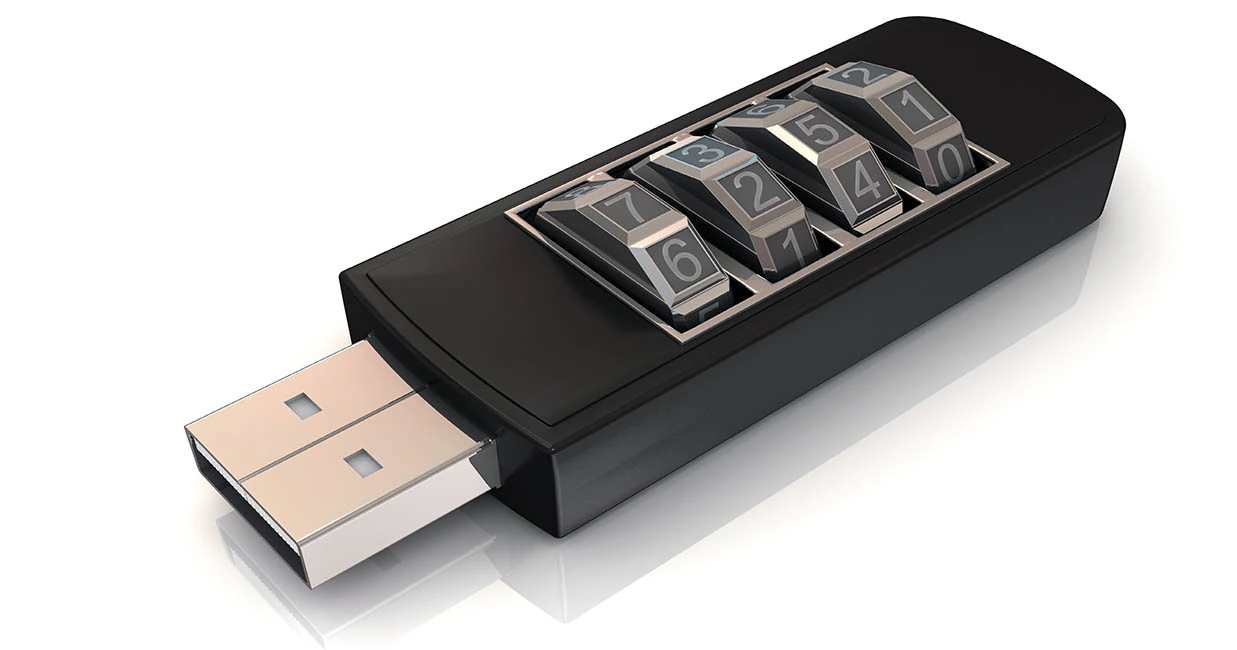
Flash drives are small, easy to carry, and hold a surprising amount of data. That also makes them easy to lose. Drop one while out and about, and whatever’s on it is at risk. Some drives offer encryption and passcodes, but not all, which is why many people prefer other ways to move data.
Information security
When data leaves the office or the company network on a USB drive, tracking where, why and how it’s used gets difficult, especially for sensitive data covered by industry privacy rules. Be wary of customer data, financial information, intellectual property and source code leaving on a drive that could be lost or misused. Limit USB use, or at least restrict data by user role.
Threat vulnerability
Low-tech doesn’t mean safe. Infected flash drives can carry threats into your network, and the more computers a drive connects to, the more likely it is to pick something up. Attacks like the BadUSB firmware hack show these threats need to be taken seriously.
Safer ways to move data
- Use cloud storage instead. It’s much easier to secure than physical drives.
- If you must use USB, encrypt it. And protect it with a passcode.
- Restrict sensitive data. By user role.
- Don’t plug in unknown drives. Anywhere on your network.
The bottom line
Old habits die hard, but USB drives are an easy risk to reduce. If you’d like help moving to secure cloud storage and keeping your data safe, our Michigan team is here. Talk to our team: 248‑545‑0800.
From the Fuse archive, first published September 17, 2021. Read the latest on the Fuse blog.
