
Smartphone Malware Is a Serious Threat
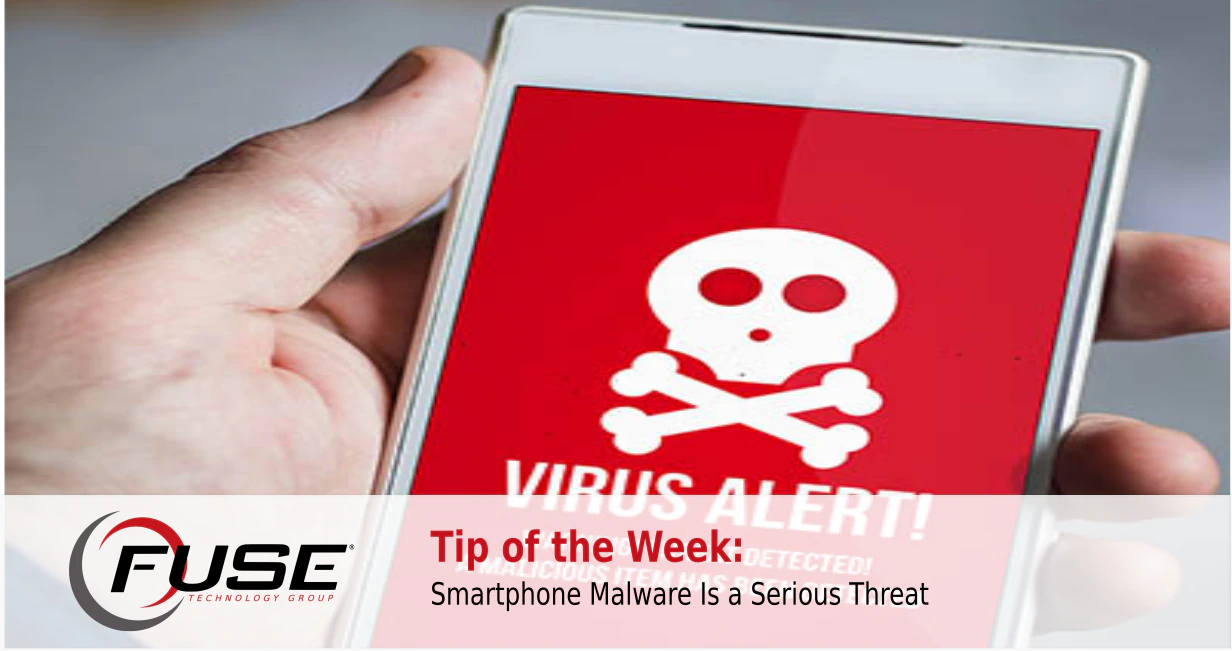
We all know to protect desktops and laptops from malicious threats. Installing security software is one of the first things you do with a new computer. But many people don’t give their smartphones the same attention.
Mobile malware may be less common, or less intrusive, than threats aimed at Windows, but it’s real. Here’s what Michigan businesses and their teams should know.
iPhone malware
iOS has never been completely safe. The biggest risks are for users who jailbreak their iPhones, bypassing Apple’s built-in security restrictions. Otherwise, you largely rely on Apple to keep your device safe, and Apple has every reason to protect its reputation.
Android malware
Android carries more risk, partly because many different manufacturers make and support their own versions of it, so updates arrive differently. Android is also more open: you can install apps Google hasn’t vetted, or jailbreak the device to override built-in protections. Even the Google Play Store has had to keep removing bad apps. That doesn’t mean you should abandon Android; many long-time users never see malware. It depends on how you use your device.
How to protect your smartphone
- Stick to the official app stores. Don’t jailbreak, and install only vetted, well-reviewed apps from the Apple App Store or Google Play.
- Don’t get phished. A real-looking email from a bank or store asking you to sign in may be a fake that sends your credentials to a criminal.
- Install anti-malware. Most security software makers offer Android apps.
- Set device security policies. If staff use personal phones for work, require device locking, encryption and other security features before they can reach company email and data.
The bottom line
Smartphones carry as much business data as many computers, and deserve the same protection. If you’d like help setting up centralized mobile device security policies, our Michigan team is here. Talk to our team: 248‑545‑0800.
From the Fuse archive, first published December 6, 2019. Read the latest on the Fuse blog.
