
Phishing Training is a Critical Component of Any Security Strategy
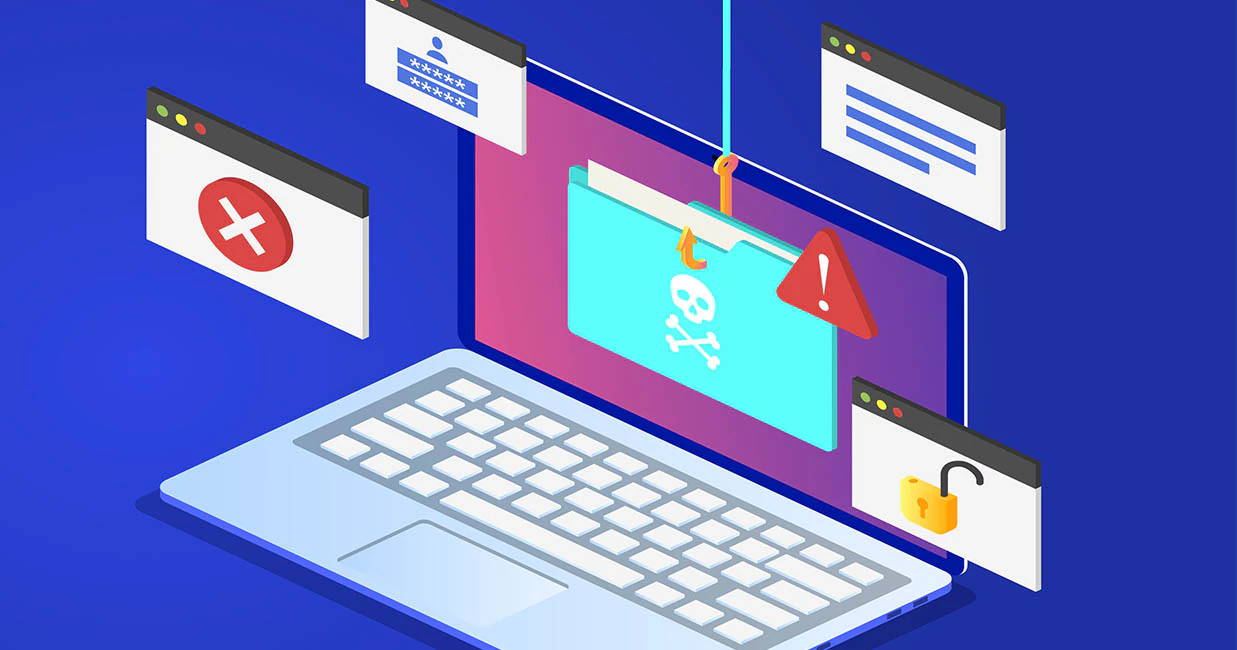
Phishing is one of the most common threats out there. Attackers craft messages and fake web pages so convincing that it’s no wonder people get tricked into handing over information.
How do you keep your team from falling for it? It starts with thorough phishing training. Here’s what that looks like for Michigan businesses.
What phishing training involves
Real-world scenarios.
Phishing training exposes your team to simulated, realistic scams. And phishing isn’t just email asking for sensitive information or a fake sign-in form: it can come by phone call, text message and other channels. Your staff need to recognize it in any form.
Different ways to learn.
Training can be passive, like videos, or active, like interactive workshops and hands-on exercises.
Testing without warning.
One of the best ways to see how well employees understand phishing is to send simulated attacks unannounced and see who takes the bait. It shows how people react on an ordinary day, and who needs more training.
It’s about correction, not blame
Phishing training isn’t about calling people out. It’s about building habits that keep your business secure long-term. Far better to find out who struggles in a simulation than during a real attack.
We all want to trust our people to know better than to click suspicious links. But wanting it isn’t the same as getting it. Attackers will succeed if nothing is done to stop them.
Building your program
- Cover every channel. Email, phone, text and messaging.
- Mix the formats. Videos plus hands-on practice.
- Run simulated attacks. Regularly and unannounced.
- Follow up kindly. Extra training for those who need it.
- Reinforce it consistently. Not a one-time event.
The bottom line
Comprehensive, consistent training is the best way to keep phishing from becoming a nightmare for your business. If you’d like help strengthening your defenses against phishing, our Michigan team is here. Talk to our team: 248‑545‑0800.
From the Fuse archive, first published August 23, 2021. Read the latest on the Fuse blog.
