
Keep Your Eyes Peeled for These Potential Security Threats
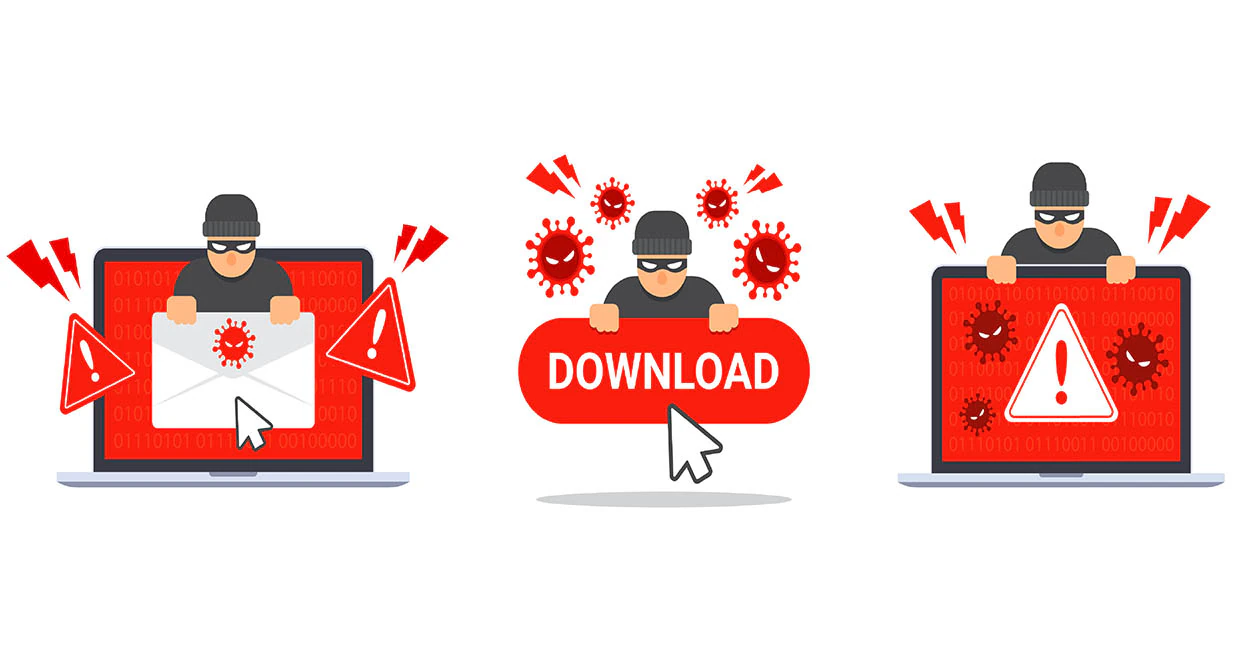
Security needs to be a priority for every small business. Here’s a look at the common threats every company should be ready to handle.
Viruses
Some viruses are just irritating; others seriously disrupt operations. They’re bits of code that can spread from system to system, corrupting data and destroying files. They can arrive through downloads, free software, infected ads, bad links or email attachments. Modern antivirus software is very good at stopping them, as long as it’s kept up to date. For businesses, centrally managed antivirus that controls every workstation is best.
Malware
Malware is malicious software built for a specific task. A virus is a simple kind of malware. Others include spyware, which spies on infected machines, and adware, which shows intrusive ads. Malware is often installed without anyone noticing and can run in the background undetected. It arrives the same ways viruses do, and the same antivirus tools help.
Phishing
Phishing is a way to spread other threats. Attackers send messages with links or infected attachments, hoping someone clicks. Some are so subtle they’re hard to spot. Other phishing tries to get people to share sensitive information or send money, using spoofed addresses and psychological tricks. It’s the most common way attackers succeed, so stay aware.
Ransomware
Ransomware locks files with encryption and demands payment, usually in cryptocurrency, to unlock them. Some attacks also threaten to publish the stolen data if the ransom isn’t paid, which gets around simply restoring from backup.
Denial of service (DDoS)
In a distributed denial of service attack, a network of infected computers floods a server or service with traffic until it can’t cope, disrupting operations or forcing a shutdown.
Trojans
Trojans, also called backdoors, install themselves quietly and open the door for attackers later. They can be used to steal data, get into networks or install other threats. With a backdoor in place, an attacker can come back whenever they want.
Zero-day vulnerabilities
These are flaws unknown to developers but already used by criminals. Once a patch is released, attackers can study it and target anyone who hasn’t installed it yet. Keep software updated and monitor your network for problems.
User error
Your business is made up of people, and people make mistakes that can expose you to threats. A combination of best practices, security tools and training goes a long way toward reducing them.
Your checklist
- Centrally manage antivirus. And keep it current.
- Train for phishing. It’s the most common way in.
- Keep backups. And protect them.
- Patch promptly. Close known holes fast.
The bottom line
Knowing the common threats is the first step to stopping them. If you’d like help putting the right protections in place, our Michigan team is here. Talk to our team: 248‑545‑0800.
From the Fuse archive, first published October 6, 2021. Read the latest on the Fuse blog.
