
How To Protect Your Business Against Ransomware
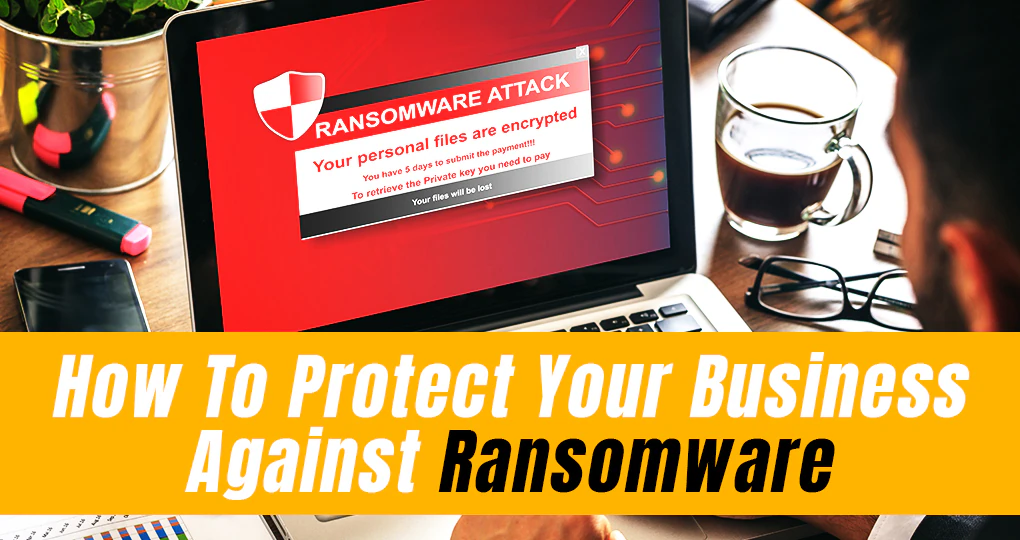
Ransomware remains one of the most widespread and costly cyber threats facing businesses of every size, and attackers keep refining their tactics.
The good news: strong security measures and a proactive approach can significantly reduce your risk. Here’s what Michigan businesses should know and do.
Understanding ransomware
Your data, held hostage.
Ransomware is malicious software that gets into your systems and encrypts your files, or locks you out of your devices entirely. The attackers then demand a ransom, often in cryptocurrency such as Bitcoin because it’s harder to trace, in exchange for the key to unlock your data.
How it gets in.
Common routes include malicious email attachments, compromised websites, and unpatched software or operating systems. Attackers also use social engineering to trick people into running it. Once active, it can spread through a network quickly.
Ransomware defense best practices
Regular updates and patch management.
Keep software and operating systems up to date, with a solid patch management process so every system gets security updates promptly.
Strong access controls.
Use role-based access and the principle of least privilege, so only the people who need sensitive data and critical systems can reach them.
Data backup and recovery.
Regular backups are one of the most effective defenses. Store them securely and test them regularly. With a reliable backup, you can restore your data without paying the ransom.
Email security.
Phishing remains a common way in. Spam filters, antivirus and employee training help catch phishing attempts before they do harm.
Employee training and awareness.
Human error often plays a part. Teach your team to recognize phishing, avoid suspicious links and attachments, and report anything unusual right away.
Endpoint security.
Antivirus, intrusion detection and endpoint detection and response (EDR) tools help detect and block ransomware at the device level.
Network segmentation.
Dividing your network into separate zones isolates critical systems and limits how far an attack can spread.
Incident response plan.
Write and regularly test a plan for a ransomware attack: how to contain it, who to notify, and how to coordinate with law enforcement and security experts.
Your proactive checklist
- Patch promptly. Every system, every update.
- Limit access. Least privilege for everyone.
- Back up and test. Know you can restore.
- Train and filter. Email security plus awareness.
- Plan your response. Before you need it.
The bottom line
With ransomware, prevention is always better than cure. If you’d like help strengthening your defenses, our Michigan team is here. Talk to our team: 248‑545‑0800.
From the Fuse archive, first published March 13, 2024. Read the latest on the Fuse blog.
