
Four Problems that Can Undermine an IT Project
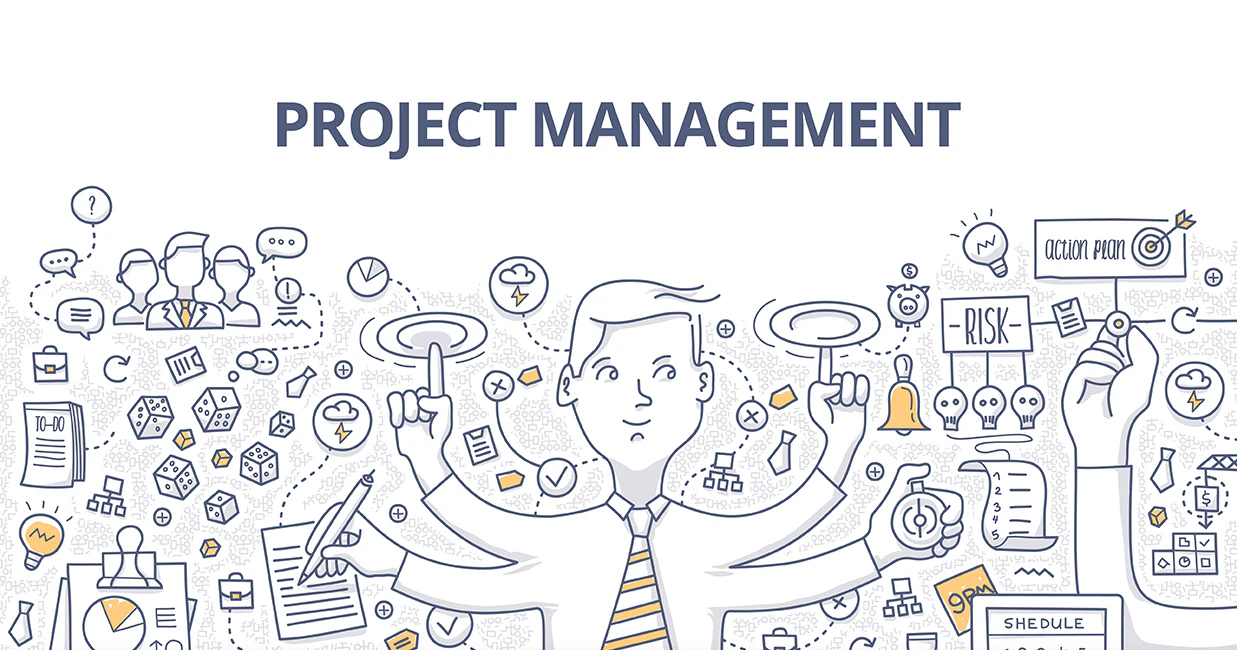
Things don’t always go smoothly in business. Often, solving one problem creates another. Technology is meant to smooth out a lot of those bumps, but choosing, deploying and supporting it comes with problems of its own.
Here are four reasons an IT project can fail, and how to avoid them.
1. It isn’t aligned with business needs
The goal of new technology is usually to make things more efficient. But when management and the technology rollout aren’t working together, the friction can sink a project. Planning and practice need to line up.
One way to avoid this is to set ground rules for when a major IT project can start. Every project should have full sign-off from decision makers and regular status updates so everyone knows about changes or delays. New IT rollouts often cause some downtime, so it helps to have everyone affected on board.
2. Costs run away
Most projects run into some inefficiencies that add cost. Major IT projects need real investment, and without commitment they can fall flat. IT budgets set early can also be cut when other financial pressures hit.
To keep the tablecloth from being pulled out from under your china, be pragmatic. Once you decide to invest in something, see it through. Go full steam ahead, or don’t go at all.
3. Communication breaks down
We don’t mean your email server. We mean keeping the lines open between everyone with a stake in the project: production staff, administrators and everyone in between. That job usually falls to the project manager.
Today’s tools make it easy for project managers to send updates, set up team chats and start video meetings quickly. The better equipped your project manager is to communicate, the smoother the project is likely to go.
4. Project management falls short
This may be the most crucial point. A good project manager manages stakeholders’ expectations and the staff’s demands, and makes it look easy. It isn’t. A good PM understands the project team’s needs and the problem the project is meant to solve, and makes sure people don’t have to go hunting for information. A good project manager is a great delegator, prioritizer and communicator.
Your checklist
- Get full sign-off. Before the project starts.
- Commit to the budget. Or don’t start.
- Keep everyone informed. With regular status updates.
- Pick a strong project manager. And give them the right tools.
The bottom line
Most IT project problems come down to alignment, commitment, communication and leadership. If you’d like to talk about your next IT project, our Michigan team is here. Talk to our team: 248‑545‑0800.
From the Fuse archive, first published April 8, 2022. Read the latest on the Fuse blog.
