
Data Loss – Is yours Recoverable?
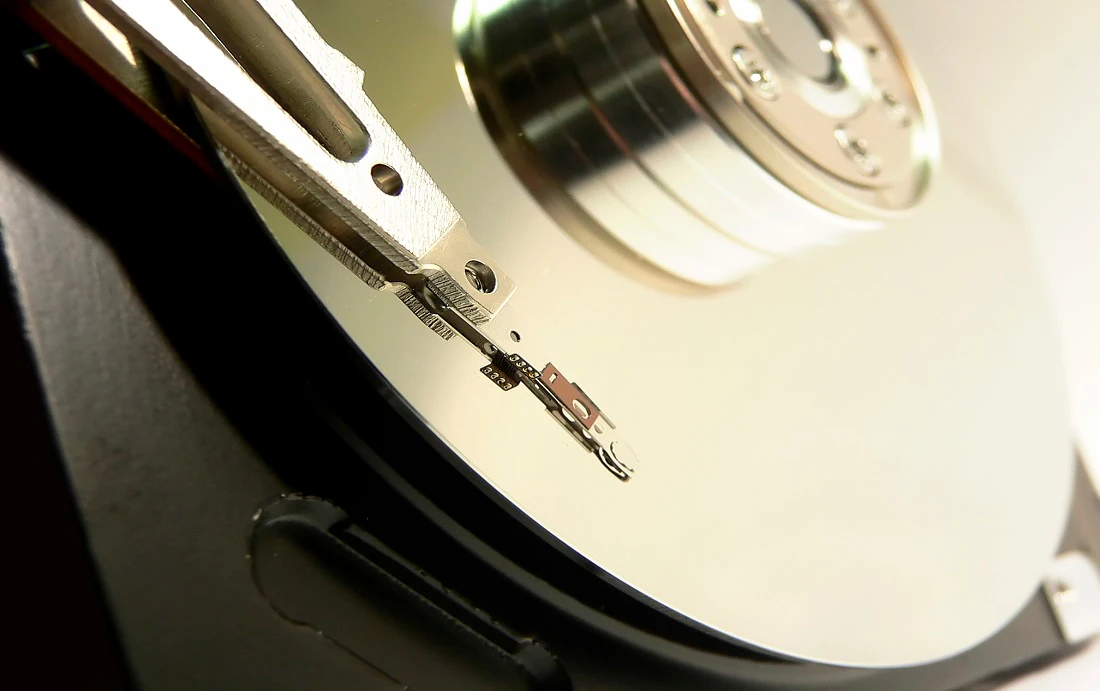
We get a lot of questions about data recovery. This overview won’t teach you everything, but it gives you a good foundation before you ever need a recovery service.
Here are the three types of hard drive failure, logical, physical and mechanical, and what Michigan businesses should do about each.
Logical failure
A logical failure is a problem in the software, not the hardware. If it’s bad enough, your machine may not boot.
Common causes.
- Virus and malware infections
- User error
- Corrupted files
Warning signs.
Disappearing data, disk errors, sluggish systems and computer crashes.
Physical damage
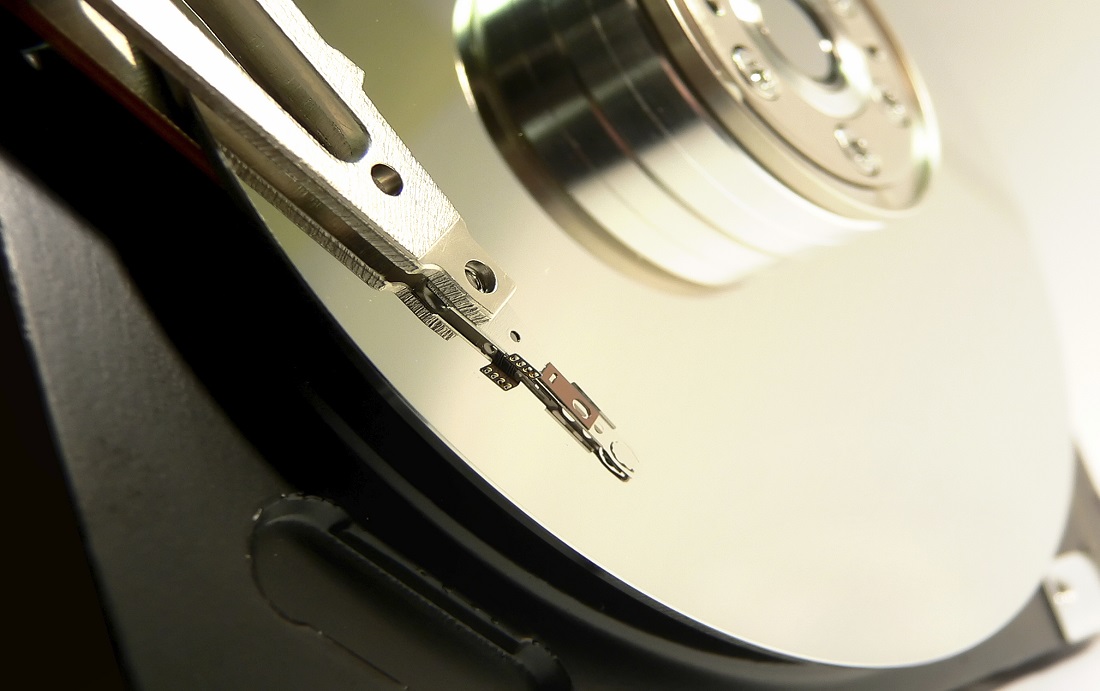
Physical damage is what it sounds like. Water, too much heat, or a shock such as dropping or jarring a drive almost always causes at least some data loss, and can cause logical damage too. Poor ventilation (which leads to excess heat) is a warning sign; water and shock damage happen quickly and without warning.
Mechanical failure
Unlike most computer components, a traditional hard drive has moving parts (solid-state drives and flash storage are the exception). That’s why hard drives have a life span and will eventually fail through normal wear and tear.
Warning signs.
Strange noises (grinding, clicking, screeching), computer crashes and frequent freezing.
What to do
- See a warning sign? Back up immediately. It can prevent data loss and lower the cost of recovery.
- Already failed? Turn the machine off. Leave it off until you’ve decided on next steps.
- Don’t try to fix it yourself. Recovery is most likely to succeed if nothing is changed before the drive is inspected.
- Weigh the data’s value. Logical failures don’t require opening the drive and usually cost far less; opening a drive is the most difficult and expensive case.
- Choose a recovery company carefully. Educate yourself before you commit.
The bottom line
The best data recovery is the one you never need, because a good backup was already in place. If you’d like help protecting your data before a drive fails, our Michigan team is here. Talk to our team: 248‑545‑0800.
From the Fuse archive, first published March 26, 2014. Read the latest on the Fuse blog.
