
Car Dealership Regulations and IT Best Practices
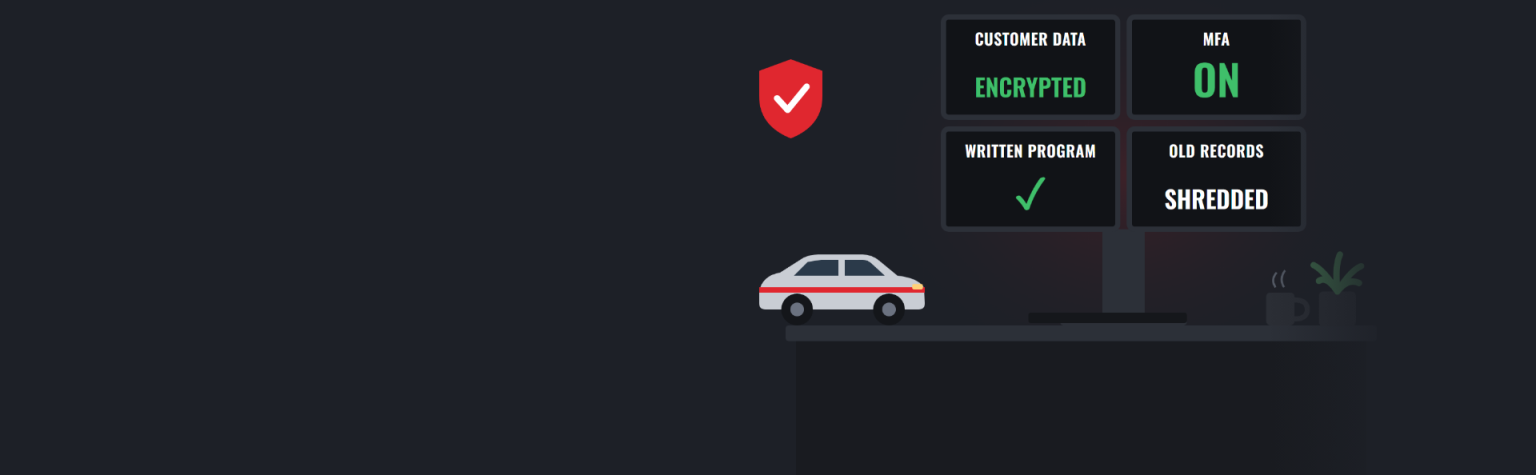
Car dealerships handle a lot of sensitive customer data every day: credit applications, driver’s license details and financing paperwork. That’s why dealerships answer to a stack of data security rules, federal and, for Michigan dealers, state ones too. Here’s what they are and what they ask you to do.
A quick note first: we’re IT people, not lawyers. We help dealerships put the safeguards in place. Your attorney or compliance advisor should confirm exactly what applies to your store.
The federal rules every dealership should know
If you arrange financing, the FTC treats you as a financial institution.
Under the Gramm-Leach-Bliley Act, dealers who finance or help arrange financing, or lease vehicles for more than 90 days, are financial institutions under the FTC’s Safeguards Rule.
That rule asks for a written information security program, a Qualified Individual to run it, multi-factor authentication for anyone accessing customer information, and encryption of customer information on your systems and in transit.
A breach of 500 or more customers now goes to the FTC.
Since May 2024, if unencrypted information about at least 500 consumers is taken, you must notify the FTC as soon as possible and no later than 30 days after you discover it.
The Fair Credit Reporting Act covers how you handle credit reports.
The Disposal Rule: information from a consumer report has to be disposed of properly, “taking reasonable measures to protect against unauthorized access to or use of the information in connection with its disposal.” In practice, that means destroying the storage that holds it.
The Red Flags Rule: businesses it covers need a written Identity Theft Prevention Program that helps spot warning signs and respond to them.
Five FCRA rules are written just for dealers.
In September 2021, the FTC confirmed that these five rules, as it enforces them, apply only to motor vehicle dealers:
- Address Discrepancy Rule: what to do when a consumer reporting agency sends you a notice of address discrepancy.
- Affiliate Marketing Rule: a consumer’s right to block the use of certain information from an affiliate to make solicitations.
- Furnisher Rule: written procedures so the information you give consumer reporting agencies is accurate.
- Pre-screen Opt-Out Notice Rule: limits on using consumer report information for unsolicited credit or insurance offers.
- Risk-Based Pricing Rule: a notice when consumer report information leads to less favorable terms.
Michigan’s own rules
Tell Michigan customers about a breach.
Michigan’s Identity Theft Protection Act requires notice to affected Michigan residents, without unreasonable delay, when their unencrypted personal information is accessed by someone who shouldn’t have it, unless the breach isn’t likely to cause substantial loss, injury or identity theft.
Destroy what you no longer need.
The same act requires destroying personal information once it’s removed from your records, unless you keep it for another lawful reason. For a dealership, that includes data about a used vehicle’s previous owner.
Other states have passed broader privacy laws of their own. If you sell to customers outside Michigan, ask your attorney which ones apply.
What this means for your dealership
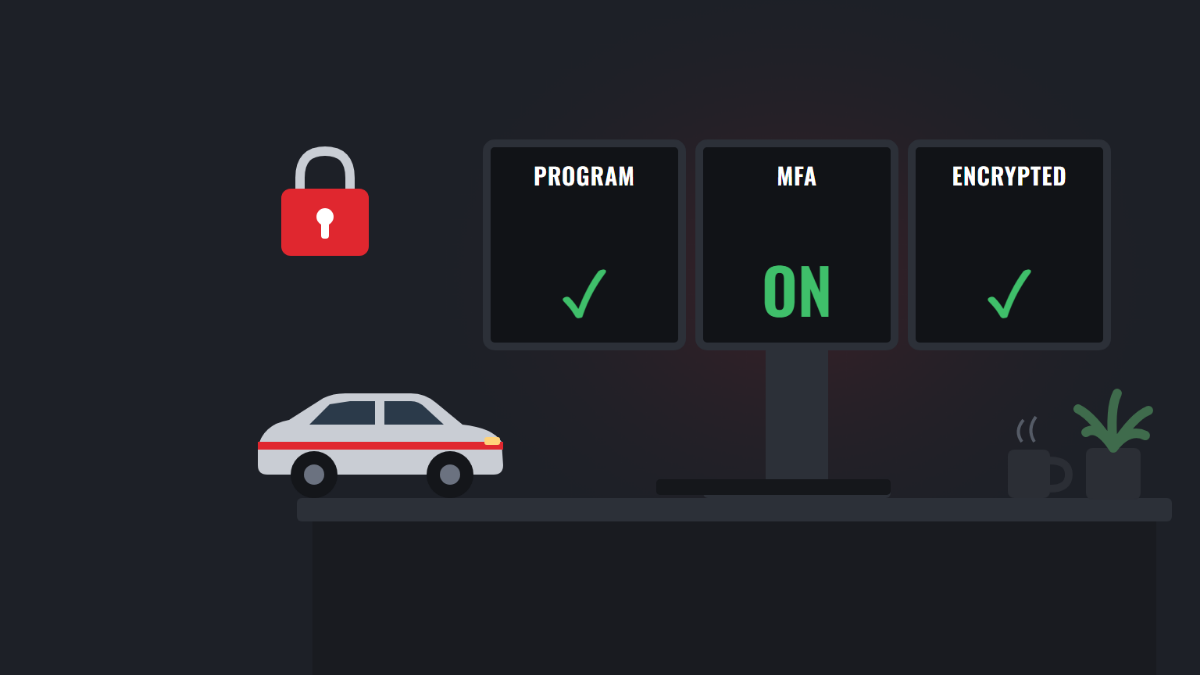
Most of these rules come down to the same good IT habits, done every day and written down.
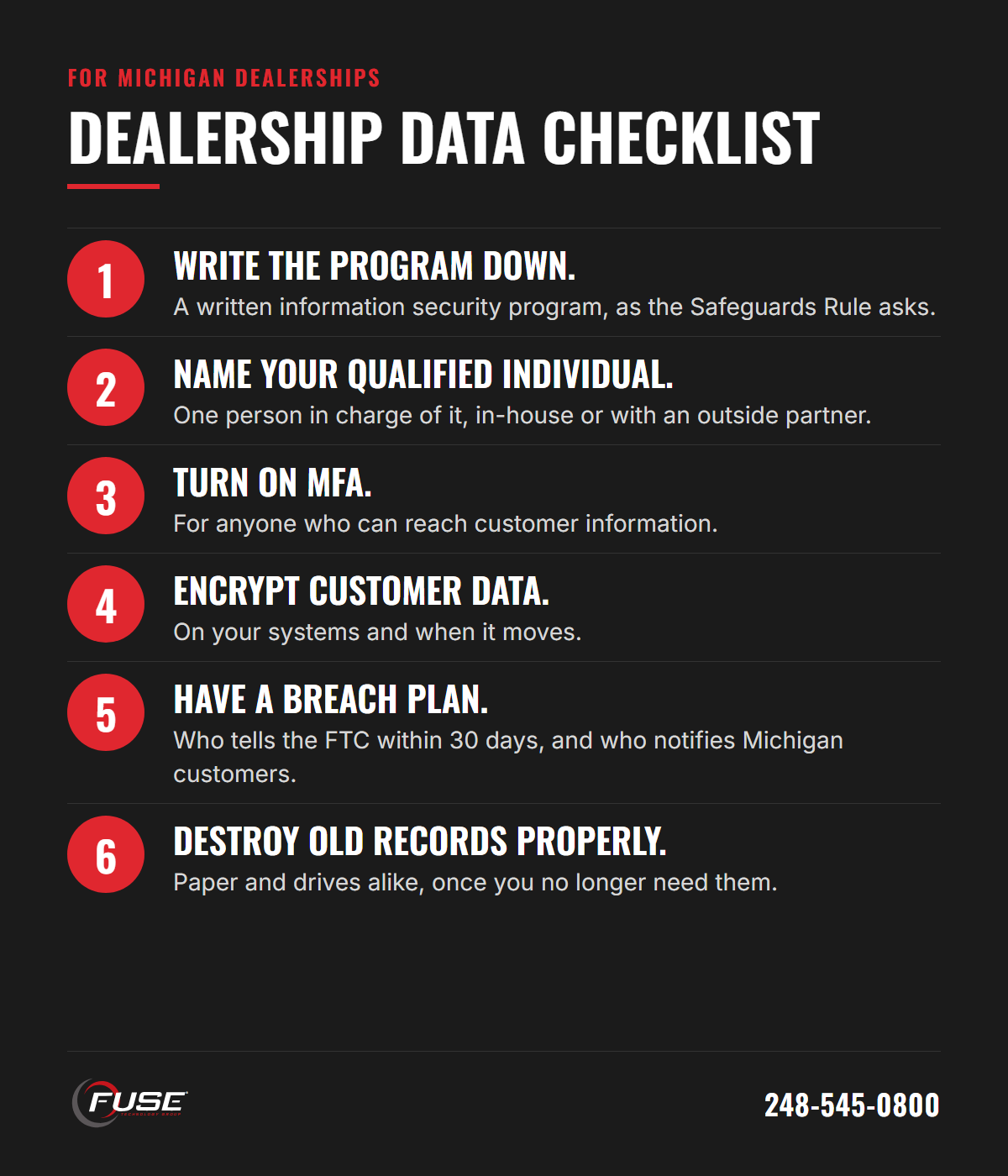
A simple dealership data checklist
- Write the program down. A written information security program, as the Safeguards Rule asks.
- Name your Qualified Individual. One person in charge of it, in-house or with an outside partner.
- Turn on multi-factor authentication. For anyone who can reach customer information.
- Encrypt customer data. On your systems and when it moves.
- Have a breach plan. Who tells the FTC within 30 days, and who notifies Michigan customers.
- Destroy old records properly. Paper and drives alike, once you no longer need them.
The bottom line
These rules aren’t going away, and they’re easier to keep up with when the IT side is handled every day, not the week before an audit. If you’d like help putting these safeguards in place at your dealership, our Michigan team is here. Talk to our team: 248‑545‑0800.
From the Fuse archive, first published June 28, 2022. Read the latest on the Fuse blog.
